
Escuela Argelia Laya · Micarache, Mucuchíes, Mérida
The school at the end of the road.
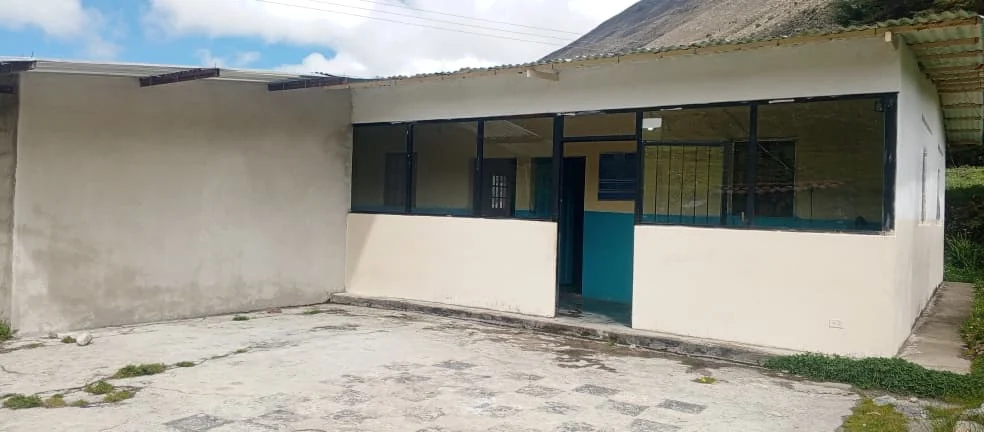
Where the Gavidia road nearly ends and the walks into the mountains begin, stands Escuela Argelia Laya. Twenty-two children, preschool and primary, study there.
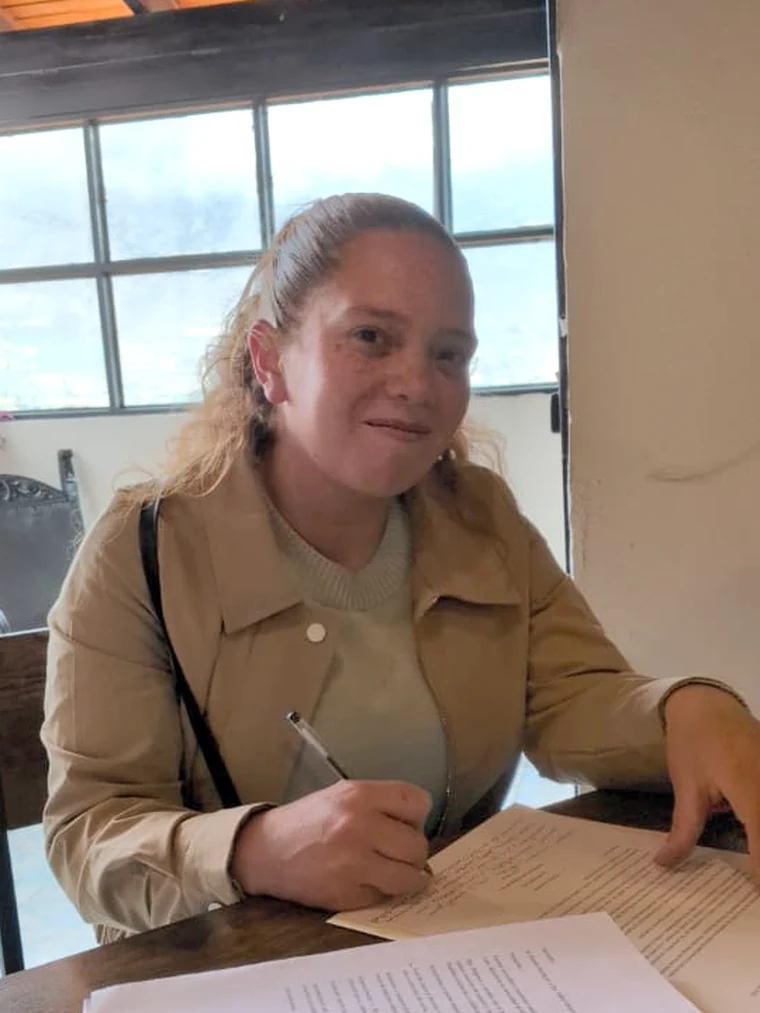
Estefany mid-lesson in the school's one classroom. Most of the photographs on this page are hers.
Where it is
At the end of the road, high in the páramo.
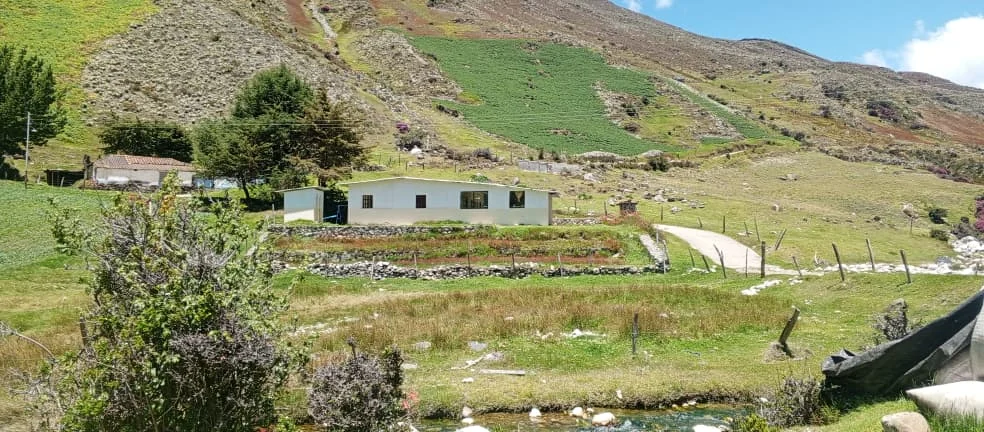
Escuela Argelia Laya stands in Micarache, near where the road into Aldea Gavidia runs out and the footpaths into the mountains begin — the municipio of Rangel, in Mérida, the Venezuelan Andes.
The school sits at roughly 3,400 meters above sea level, about 11,200 feet, in open páramo. It is cold and bright, the wind comes straight off the peaks, and the cloud often sits below the village. Nights run near freezing the year round.
Getting there takes effort. The last climb is unpaved and steep, the weather closes in fast, and no internet reaches the school. The nearest town, Mucuchíes, is a long way down the valley.
- South America
- Venezuela
- Mérida · Cordillera de los Andes
- Micarache · Aldea Gavidia
≈ 3,400 m · 11,200 ft above sea level
Who keeps it running
Three educators, twenty-two children, one room.
Preschool through primary, all taught in one building. There is no dedicated PE teacher and no recreation teacher, so the three educators cover everything the children need taught. Estefany Dugarte, one of the three, documented all of this herself — most of the photographs on this page are hers.

In her words
“Trabajamos con lo que tenemos.”
We work with what we have. Estefany sent these herself, along with the photographs — her own account of teaching twenty-two children with almost nothing.
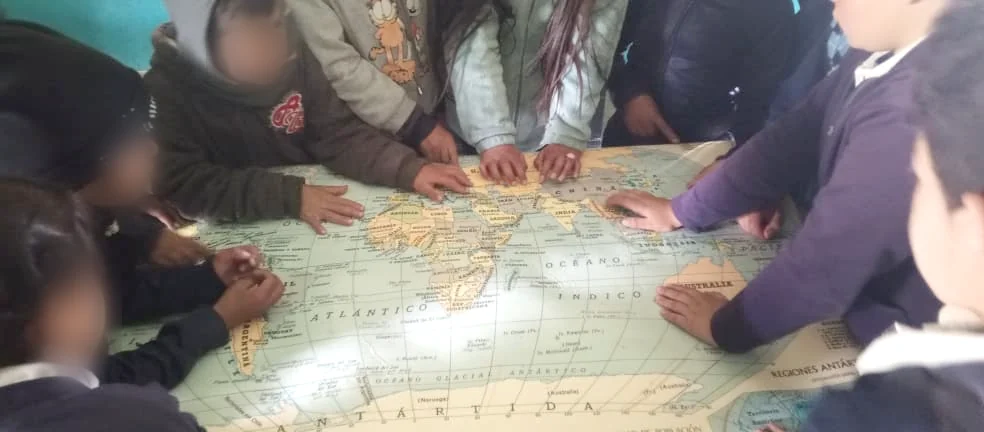
“Contamos con un solo mapa mundi, ya que no tenemos otro recurso para ver los otros países y sus límites.”
We have a single world map — it is our only way to show the children the other countries and their borders.
The whole world, for a class that may never leave the valley.
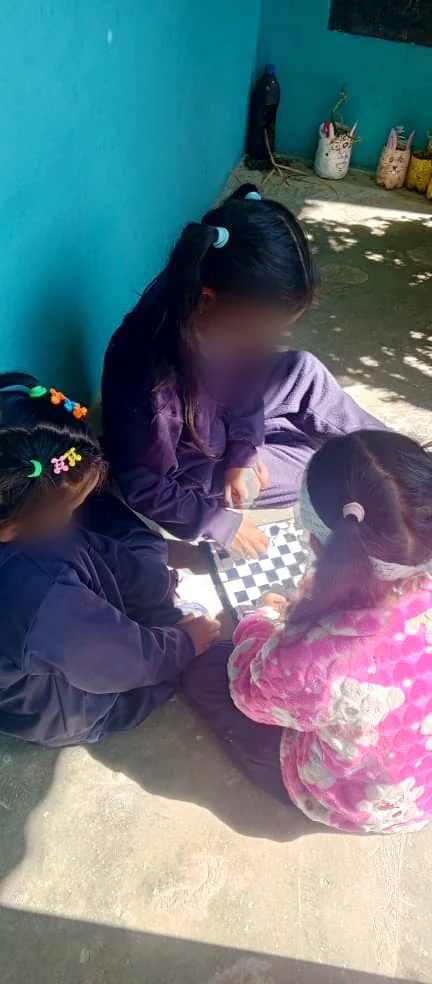
“Solo contamos con un ajedrez, 3 pelotas que están viejitas y 10 cuerdas de saltar.”
We have only one chess set, three old balls, and ten jump ropes — no other sports equipment.
The school's entire games cupboard, in one line.
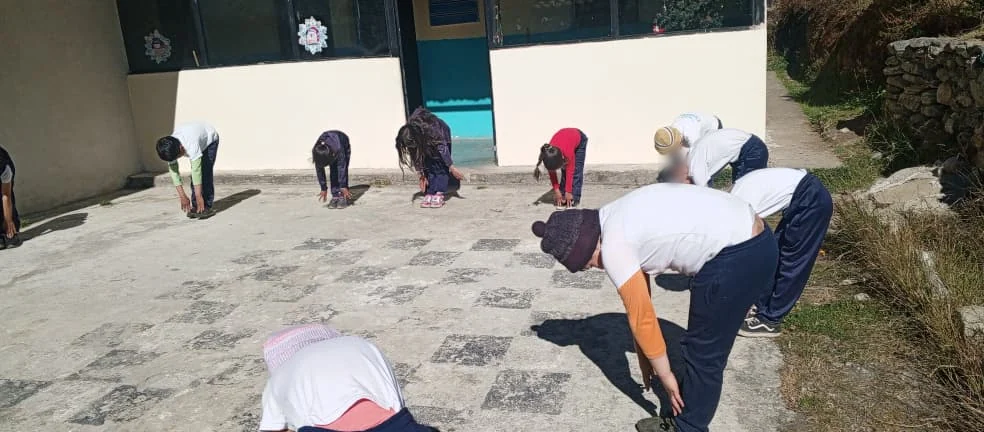
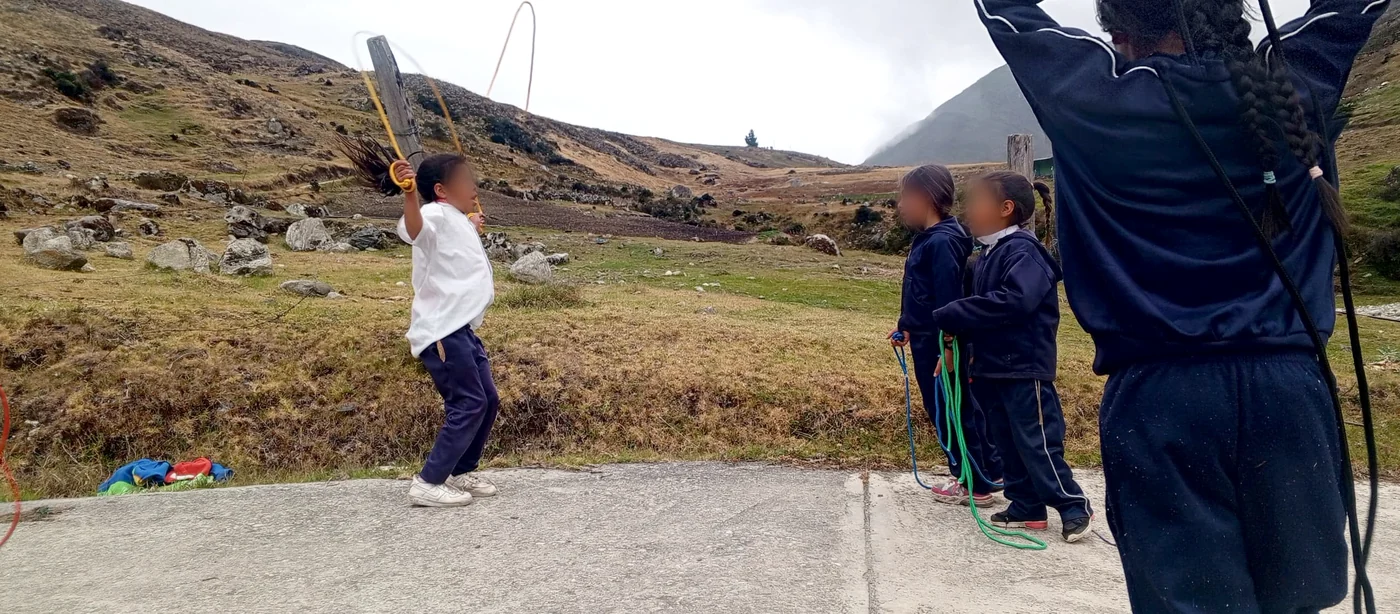
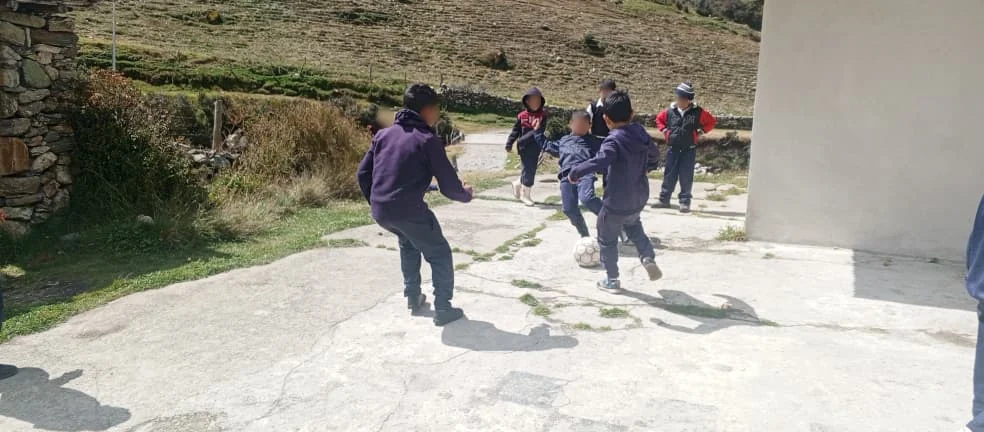
“Educación física nos toca dar en una parte pequeña del patio… en ocasiones, en la carretera.”
We teach PE in a small part of the yard — and sometimes out on the road. There is no court.
When the yard runs out, class moves to the road.
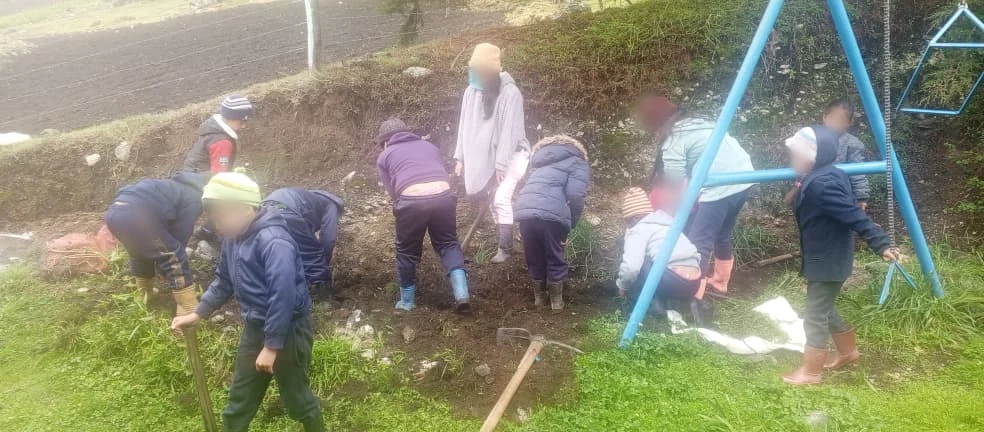
“Trabajamos con lo que tenemos para realizar huerto escolar.”
We work with what we have to grow the school garden.
The garden is grown the way everything here is — with what's on hand.
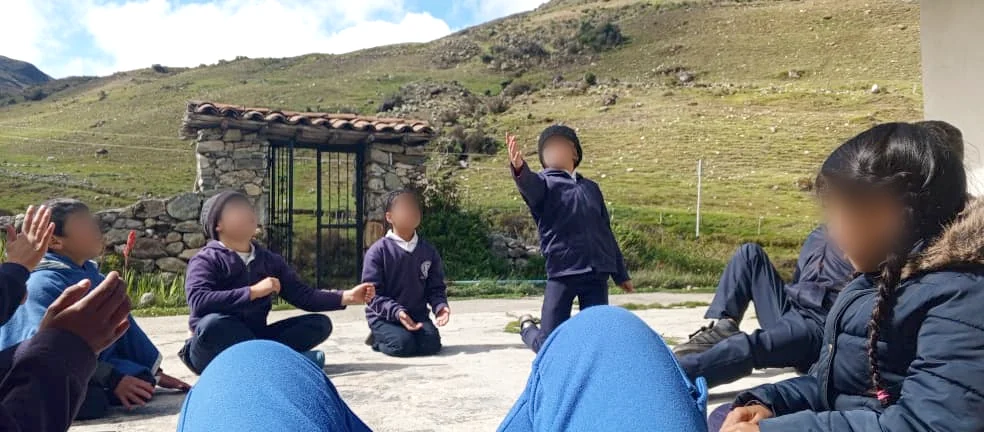
“Realizamos juegos dinámicos con las cosas que contamos en la mano.”
We make active games out of whatever is at hand.
Lessons built from nothing but what the room holds.
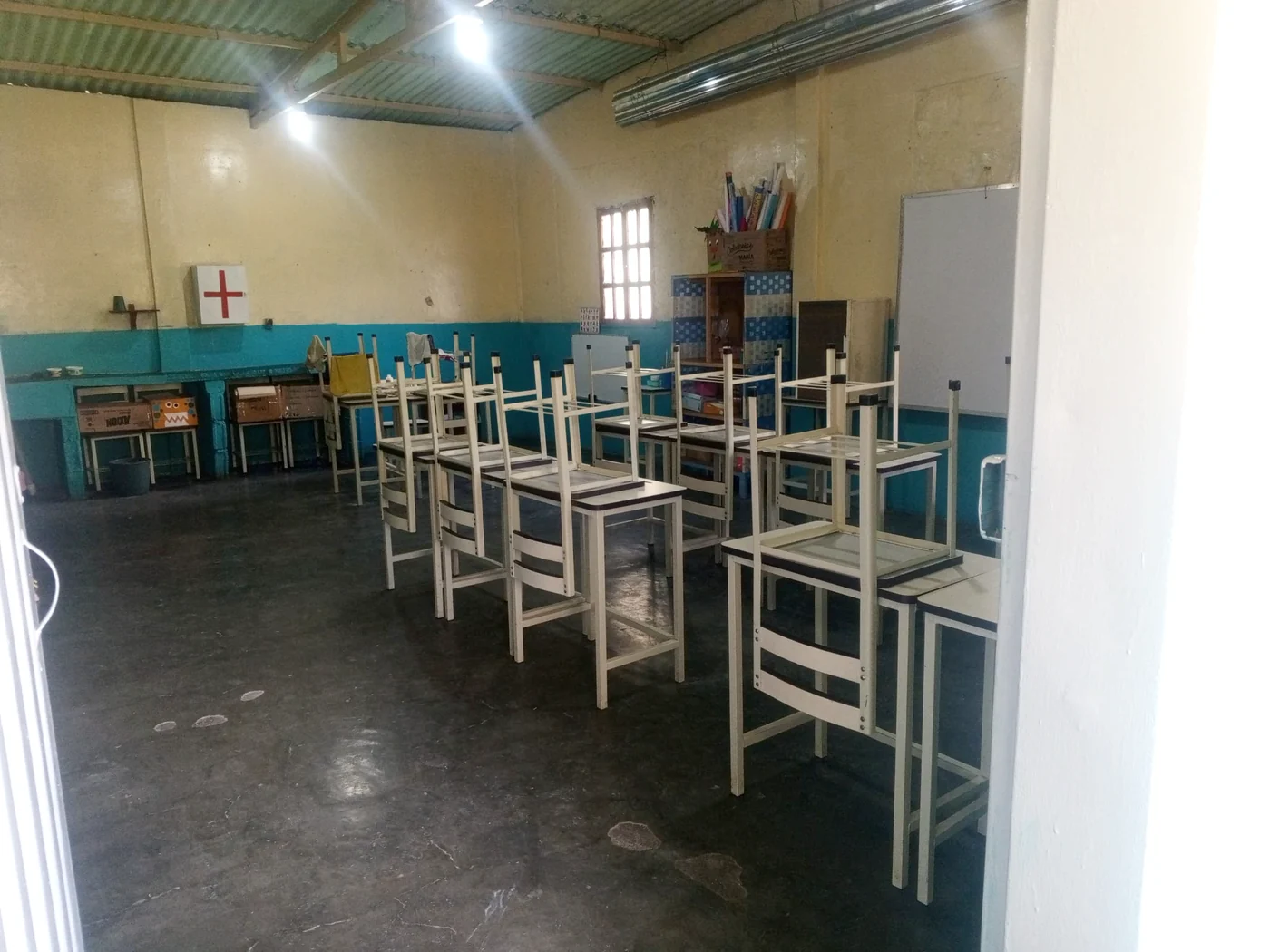
“No contamos con proyector ni computadora ni impresora.”
We have no projector, no computer, and no printer.
Every worksheet and every map is made or found by hand.
“Como puede ver, ese patio que contamos, no tenemos cancha deportiva.”
As you can see, the yard we have — there is no sports court.
No court, so the concrete yard is the gym.
“Disculpe, estaba sacando polvo.”
Sorry, I was dusting.
Her reason, one evening, for a slow reply: she was cleaning the school herself.
“Quedo a su disposición en caso de que requiera cualquier información adicional.”
I remain at your disposal for any further information you may need.
Always ready to send whatever we asked for next.
“Todavía estoy en la escuela, bajo un poco tarde.”
I'm still at the school; I'll come down a little late.
Staying past the end of the day, as usual.
“Gracias por lo que está haciendo por la escuela.”
Thank you for what you are doing for the school.
The thanks run the other way — toward anyone who helps.
“Esta muy bien, señor Ramón, mañana me coloco a buscar todo.”
That's great, Mr. Ramón — tomorrow I'll set to gathering everything.
Showing her commitment, no matter what.
“Gracias por ayudar la escuelita.” — Thank you for helping the little school.
The school's own request
The director's letter.
The school put its needs in writing. These are lines from the letter its acting director sent us, on behalf of the whole school community.
“Reciban un cordial y respetuoso saludo en nombre de toda la comunidad educativa de la Escuela Argelia Laya.” A warm and respectful greeting on behalf of the whole school community of Escuela Argelia Laya.
“La presente tiene como finalidad agradecer que quieran, con su valiosa colaboración, atender las necesidades de nuestra institución, la cual cuenta actualmente con una matrícula total de 22 estudiantes.” We write to thank you for your willingness to help meet the needs of our school, which currently has a total enrolment of 22 students.
“Con el propósito de optimizar el funcionamiento del plantel y brindar mejores condiciones a nuestros niños y niñas, les informamos las necesidades.” With the aim of improving how the school runs and giving our children better conditions, we set out these needs.
“Cualquier aporte que puedan brindarnos será de inestimable valor para el fortalecimiento de nuestra escuela y el desarrollo integral de los estudiantes.” Any help you can give will be of immeasurable value to the strengthening of our school and to the full development of its students.
— Katherin Lobo, Directora Accidental, Escuela Argelia Laya · Micarache, 23 September 2026
A separate effort
This page is about the school, not about Terra.
Terra Productiva is helping the school get what it needs, but this is kept apart from Terra's own ventures and from Terra's own ask. Nothing here funds the restaurant, the posada, or the finca, and nothing on those pages funds the school.
What the school has to work with
One map, one chess set, three old balls.
Their teachers work with what they have: one world map, a chess set, three old balls, ten jump ropes. There's no court — PE happens in a corner of the yard, and sometimes on the road.
There's no computer, printer, or projector, and the internet does not reach the school.
Phase 1 · the first goal
Get all 22 children eating lunch at school again.
The kitchen the school used to cook lunch on broke, and the children stopped getting it. That's the first thing we're working on.
This is what the school asked us for, in writing, to get the kitchen working again. It's the clear first goal: 22 children eating lunch at school, every school day. The kitchen can carry a sponsor's name, for anyone who would like to fund it in full.
Twenty-two children. One room. Lunch, first.
After the kitchen
The other needs the school sent us, in writing.
These aren't ranked, and they aren't a priority list — just what the school told us it needs, in the order they happened to write it down. The kitchen above is the one clear first step.
Starlink
A satellite connection for the school, plus its monthly subscription.
Cold-weather clothing
Warm clothing for the children, from a list the teacher has put together.
Books
Reading material for the classroom.
Tables and chairs
Classroom furniture for the children.
Printer and ink
For teaching material and schoolwork.
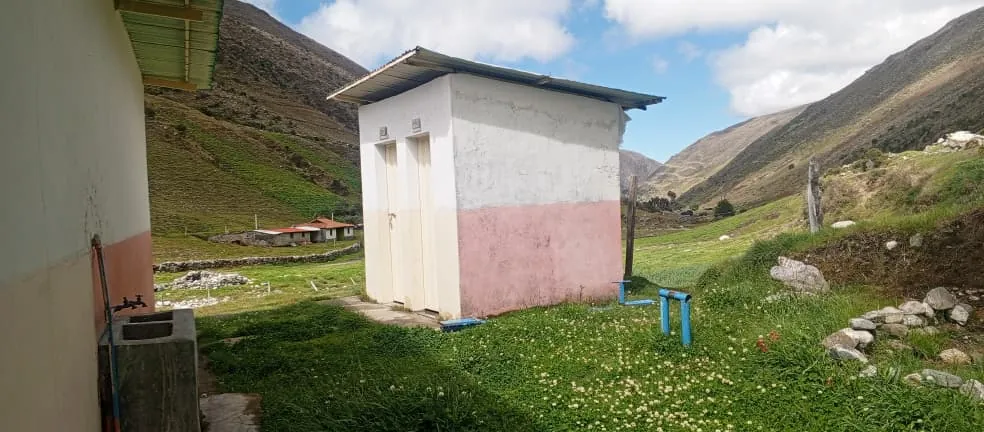
Bathroom and kitchen construction
Building the rooms themselves — a bathroom and a kitchen — at an estimated US$7,500. This is the construction; the stove, fridge, sink, and utensils above are the equipment that goes inside it.
The school as it is
What 22 children work with, today.
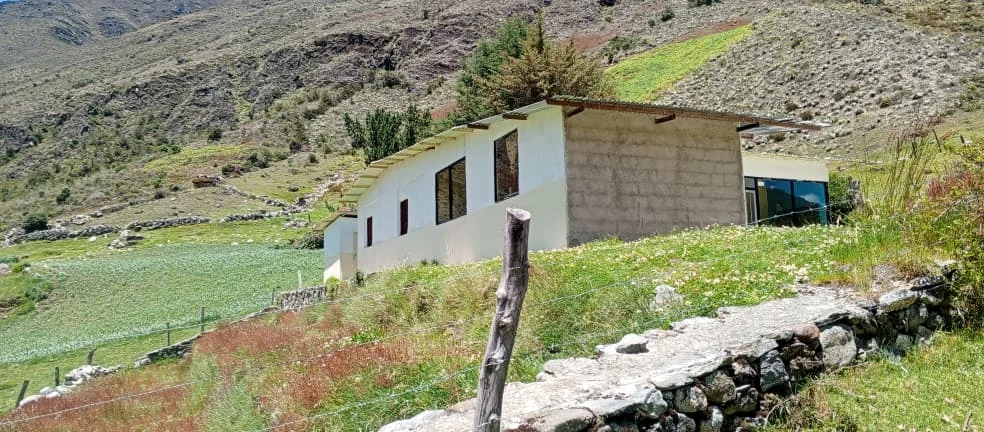
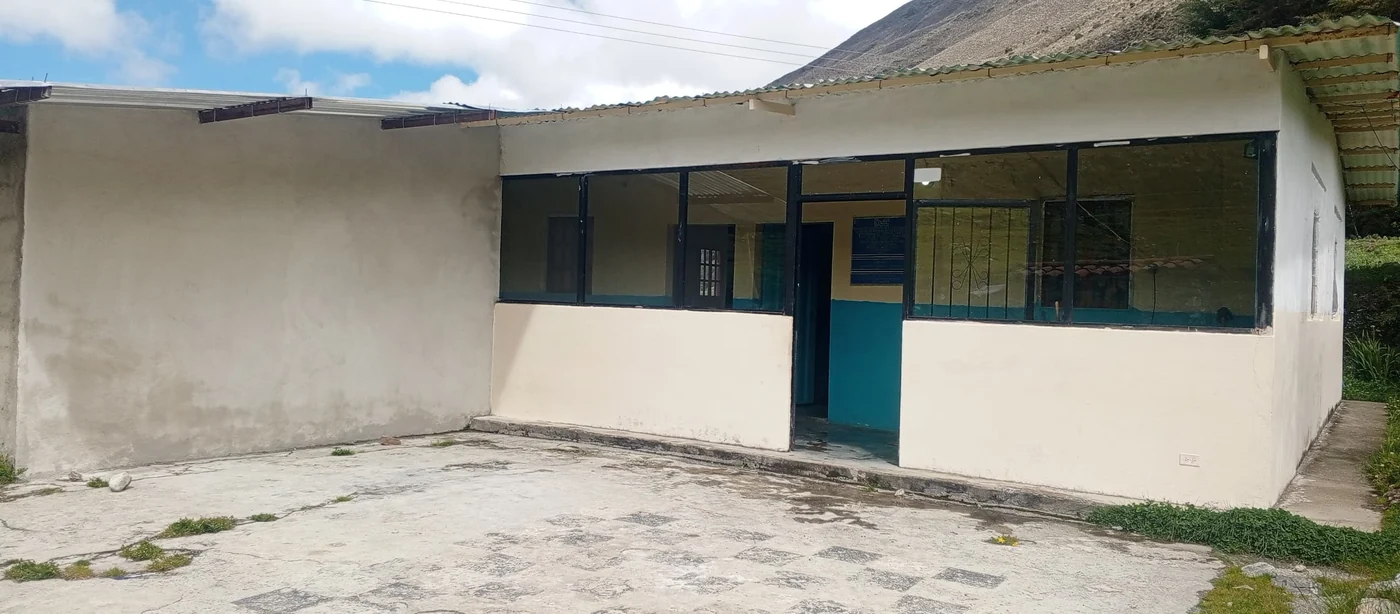
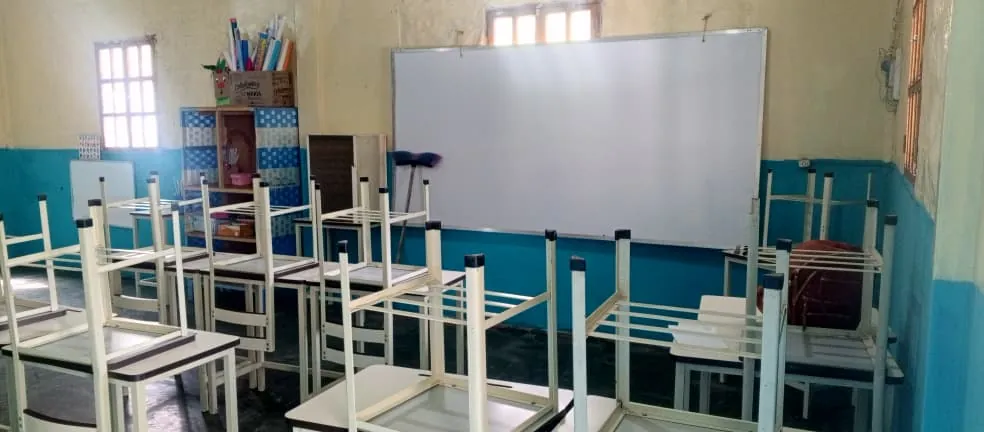
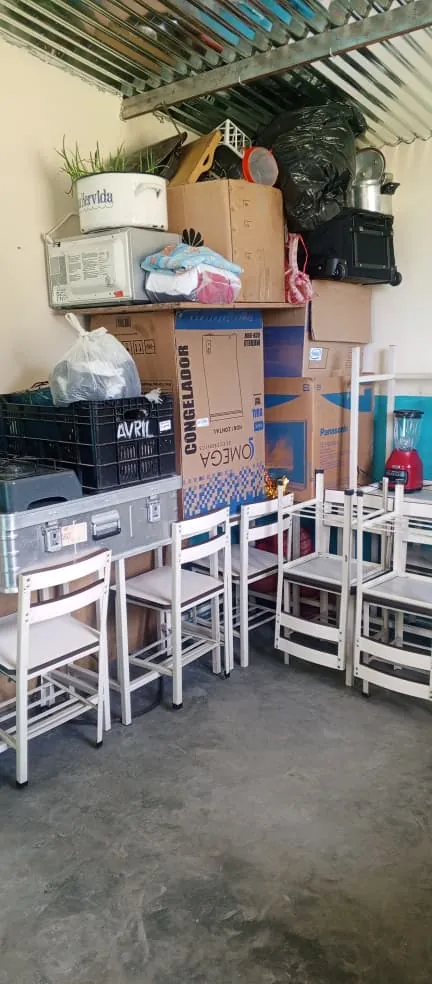
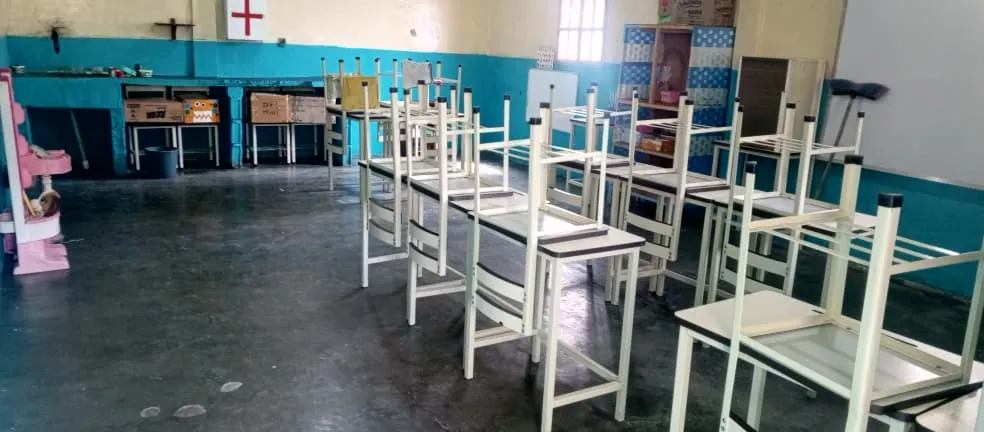
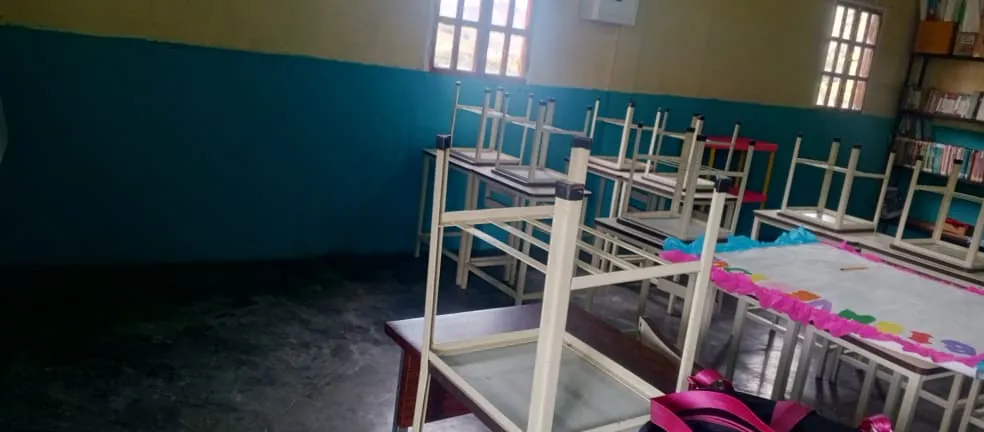
No staged shots — this is the school: donated equipment still in its boxes, a bare classroom, and the multipurpose room the children share.
How to help
Two ways to help — pick one.
These are two different things. Sending goods gets specific items to the school. Giving to the fundraiser gives the school money it can use as the needs change.
Send goods from the needs list
Send any item from the kitchen list or the other needs above.
Shipping address, USA: GMEN11037 | ESCUELA GAVIDIA (RRM), 8422 NW 66TH ST, MIAMI, FL 33195-2876.
Buenos Aires drop-off: contact us — we're currently moving.
Give to the school fundraiser
Give directly to the school's fundraiser on GoFundMe. The page shows the goal and how close we are.
We don't publish the school's phone number or email. For either way to help, get in touch with the Terra team → and we'll connect it to the school.
Transparency
What arrived and how it was used.
Nothing has been logged here yet.
No deliveries logged yet
As deliveries happen, we'll post what arrived, when, and how it was used — with photos, children's faces blurred.
Our part
This campaign is only for the school. We fund our own work and pay local wages. Everything raised for the school goes to the school, and we'll publish what arrived, when, and how it was used.