Context · Terra Productiva
Why production helps more than aid.
A donation meets a need once. A job and a market keep working for a household week after week.
The dining room at El Quinto Sabor, open and set for service.
Give a fish, or build the pond
One meets a need once. The other keeps paying.
There's an old line about giving a family a fish versus teaching them to fish. We believe in it — and we want to go a step further. We want to build the place where the work happens, and make sure a paying customer is ready to buy what it makes.
A donation is generous, and it matters. It also meets a need one time; once the money is spent, the family is back where it started. A job and a market work differently. A wage arrives again next week, and the week after that. Revenue keeps circulating long after a single gift would have run out.
Already open
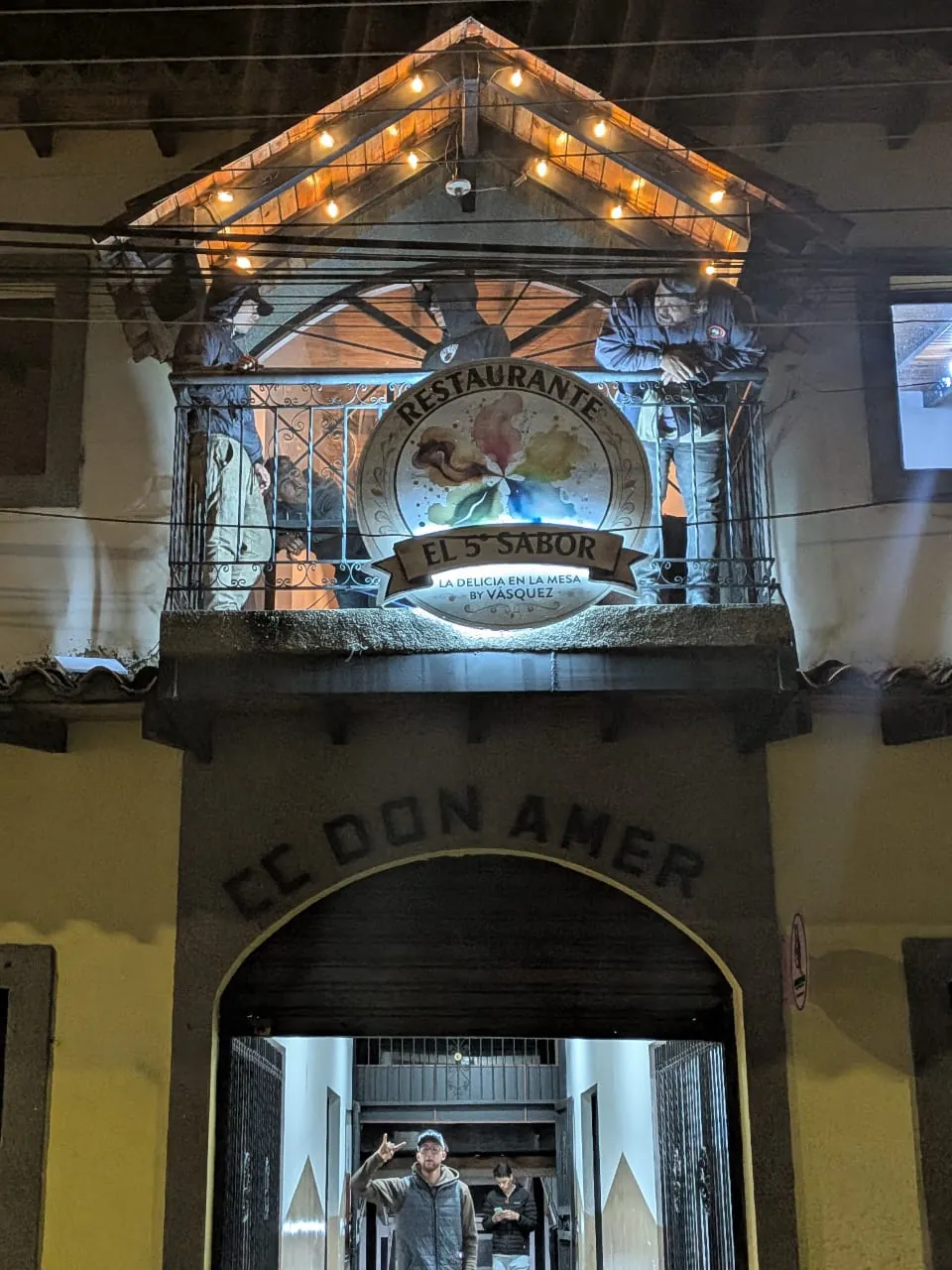
A restaurant, open and selling.
El Quinto Sabor, in Mucuchíes, is already open and serving customers — a working kitchen, a dining room, and wages going out every week. It's the first proof of the model: build something that earns, and the earning doesn't stop after one good day.
Underway
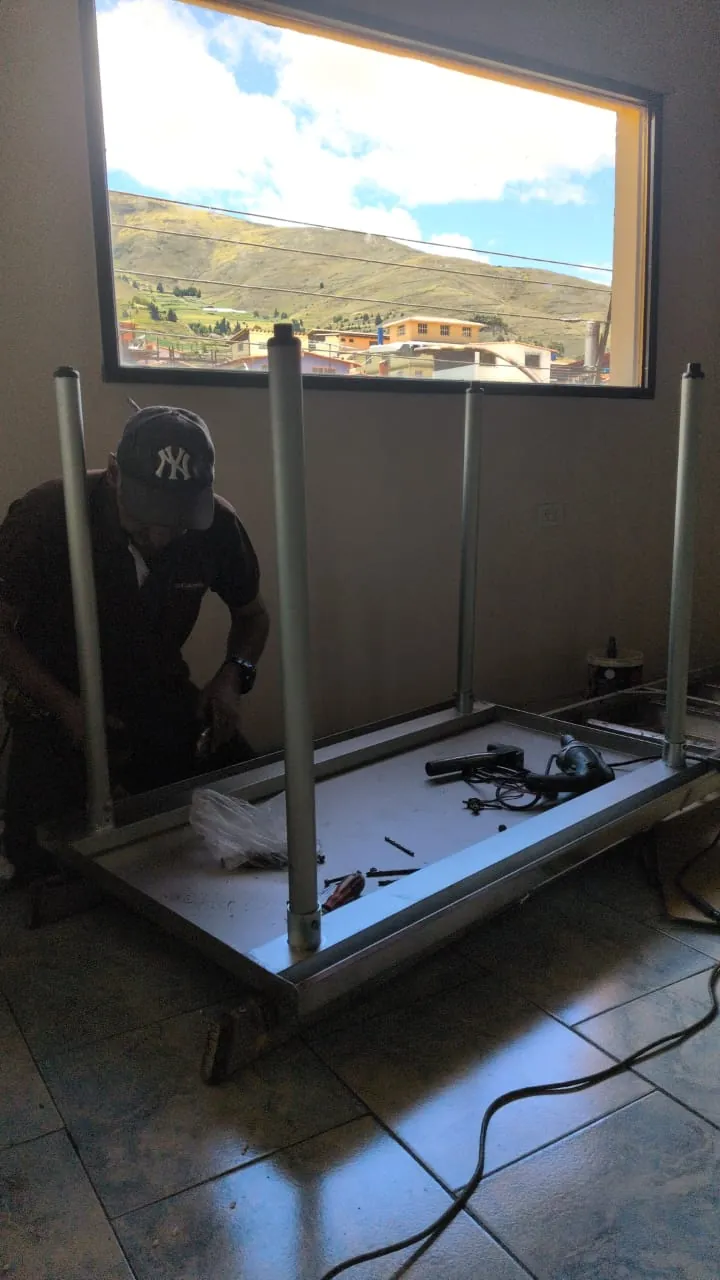
A growing space, going up at the finca.
At the finca in Aldea Gavidia, a growing space and mushroom facility is under construction in the warehouse. Cool days, cold nights, strong mountain light, and clean spring water make it a good place to grow — and buyers are already lined up nearby: El Quinto Sabor has said it will buy, and so have other restaurants and supermarkets across Mérida.
The place and the buyer
Production multiplies where it happens.
A facility that runs for years buys its supplies locally, hires local hands, and sends wages home that get spent again in the same town. Aid saves lives at scale, and it's needed — but it can't keep paying a wage next month. Aid is spent once. Revenue circulates.
That's the idea behind building both halves at once: the place where the work happens, and the customer ready to buy what it makes. What one venture earns goes into funding the next, so the help keeps going instead of ending when the first gift runs out.
Support, not handouts.
Our part to do
Help that keeps working.
You could cover a cost one time, and it would do some good. Or you could help fund a venture that pays wages for years, buys from neighbors for years, and seeds the one after it. That second kind of help is slower to show results and far more durable — and it's the kind Terra is built around.